









Analytics in Sales That Predict and Accelerate Growth
Do your sales numbers leave you guessing what’s next? Even the most diligent teams often face a wall of data, spreadsheets, dashboards, and CRM entries that seem more confusing than clarifying. That’s where analytics in sales becomes indispensable. It doesn’t just record past activity; it predicts trends, highlights opportunities, and shows exactly where to focus your team’s energy.
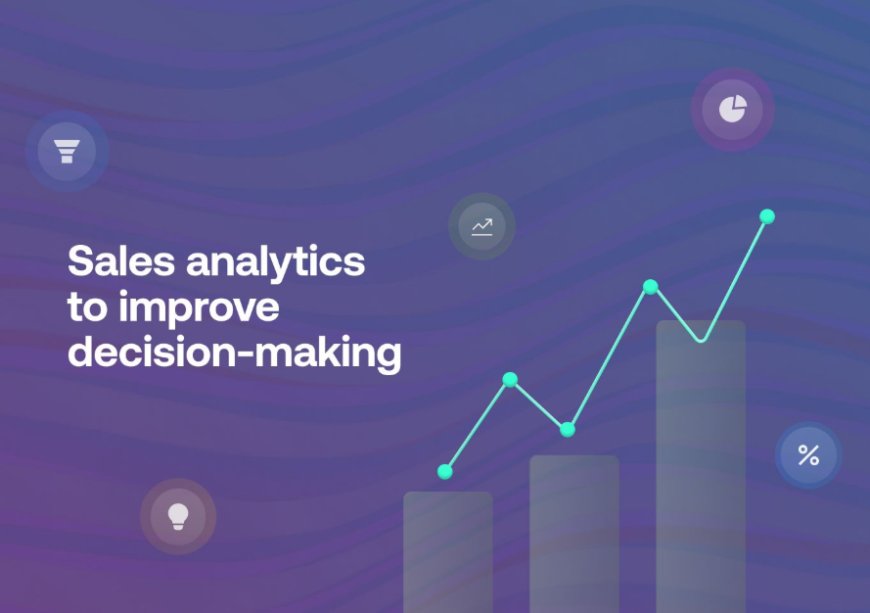
Do your sales numbers leave you guessing whats next? Even the most diligent teams often face a wall of data, spreadsheets, dashboards, and CRM entries that seem more confusing than clarifying. Thats where analytics in sales becomes indispensable. It doesnt just record past activity; it predicts trends, highlights opportunities, and shows exactly where to focus your teams energy.
Sales analytics collects, interprets, and presents data to enhance decision-making at every level. This means understanding which products perform best, identifying top-performing reps, and anticipating customer behavior before it affects revenue. Using advanced tools, insights can be drawn from every call, note, and interaction, ensuring the team acts on actionable intelligence rather than assumptions.
The Importance of Accurate Sales Data
Data quality is the foundation of meaningful insights. Companies that leverage accurate, complete data outperform competitors significantly. Research shows that data-driven organizations are 5.7 times more likely to exceed revenue targets and 58% more likely to be profitable than companies in the early stages of data adoption.
In sales, this translates to actionable foresight. Accurate analytics in sales allows leaders to assign top reps to high-value accounts, prioritize leads with the highest probability of conversion, and adjust campaigns based on real-time insights. Without clean data, decisions are based on guesswork, leaving performance uneven and revenue growth unpredictable.
Improving Forecasting and Team Growth
Forecasting is often the biggest challenge for sales teams. Predictive analytics solves this by providing clear visibility into future trends. By analyzing past sales, customer interactions, and market behavior, leaders can anticipate outcomes and adjust strategies in real time.
Training and development also benefit from analytics. Data can reveal patterns in top-performing reps behavior, from call techniques to follow-up timing. Teams using these insights often close deals up to four times faster than less informed peers. By focusing on skill gaps and performance metrics, leaders can tailor coaching programs that lift the entire team.
Resource allocation becomes precise with analytics. For example, data might show that reps using certain sales enablement tools close 30% more deals. Investing in these tools for all reps ensures maximum return on resources and consistent revenue growth.
Tools That Enhance Sales Analytics
Sales data is only valuable if properly collected and analyzed. Modern analytics tools automate data capture, eliminate manual reporting, and integrate seamlessly with CRM platforms. Advanced AI tools can turn every sales call, note, and interaction into actionable insights.
For instance, AI-driven solutions automate CRM updates, track engagement signals, and generate real-time reports. This allows teams to focus on high-impact activities instead of administrative work. Features such as MEDDIC field capture, sentiment analysis, and intelligent alerts make it easier to understand what moves deals forward.
How AI Integrates into Sales Analytics?
-
Automatic data capture
-
Real-time CRM updates
-
Predictive deal scoring
-
Actionable team alerts
By combining predictive and prescriptive analytics with AI capabilities, organizations can detect trends before they affect performance, optimize rep efforts, and maintain continuous visibility over the sales pipeline. This ensures that every decision is backed by reliable data, reducing guesswork and increasing confidence in forecasts.
Real-World Applications of Sales Analytics
Companies that apply analytics in sales consistently see improvements in deal velocity, customer retention, and overall revenue. Consider a team analyzing post-call engagement patterns: they identify a recurring objection from prospects. Using this insight, the team adjusts scripts, trains reps, and increases conversion rates within weeks.
Another example is optimizing resource allocation. Analytics might reveal that certain leads respond better to email campaigns while others convert faster through direct calls. By matching outreach methods with data insights, teams can increase efficiency and results without adding additional resources.
Implementing Analytics in Sales Successfully
Implementing analytics effectively requires more than software. Teams must focus on three areas: data quality, actionable insights, and workflow integration. Ensuring CRM entries are complete and accurate is critical. Next, insights must be presented clearly, dashboards should highlight trends, risks, and opportunities without overwhelming users. Finally, analytics tools should integrate into daily workflows, providing recommendations and alerts where decisions are made.
This approach ensures teams are informed, empowered, and able to act immediately. Sales leaders gain clarity on pipeline health, reps receive guidance on high-value opportunities, and management can measure impact with confidence.
Conclusion
Analytics in sales is no longer optional; it is the backbone of modern revenue growth. By collecting accurate data, applying predictive and prescriptive insights, and integrating advanced AI tools, sales teams can forecast trends, allocate resources efficiently, and drive consistent results.
The power of sales analytics lies in its ability to turn raw numbers into meaningful action. Leaders who adopt these strategies reduce guesswork, improve team performance, and unlock sustainable growth. For teams aiming to predict outcomes and accelerate sales, leveraging analytics in sales is a practical, results-driven approach.
Take the next step in transforming sales performance. Explore AI-powered sales analytics solutions that turn insights into action, maximize team efficiency, and ensure every opportunity is leveraged to its fullest potential.