










Aluminum Fence vs Vinyl Fence: A Clear Guide for Florida Homes
Aluminum Fence vs Vinyl Fence: A Clear Guide for Florida Homes
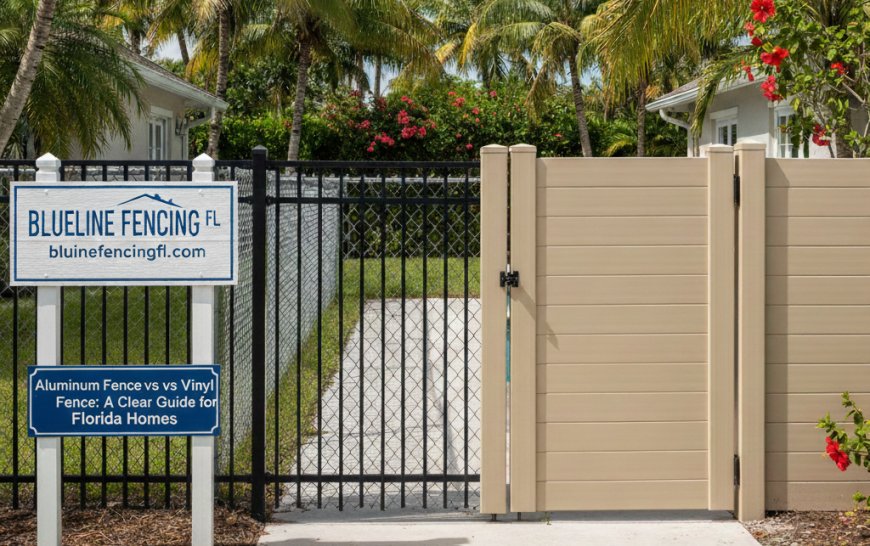
Comparing Aluminum Fence Vs Vinyl Fence? Choosing the right fence matters in Florida. Heat, rain, and storms test every material. Homeowners often compare aluminum and vinyl fences. Both are popular. Both look clean. Yet they serve different needs. This guide explains the key points in simple terms. It also covers why fence repairs in Florida matter.
Why Fence Choice Matters in Florida
Florida weather is harsh on outdoor features. Strong sun fades color over time. Heavy rain can weaken poor materials. High winds test fence strength. Salt air near the coast adds more stress. A good fence must handle all of this. It should also fit your home style and budget.
What Is an Aluminum Fence?
Aluminum fencing uses lightweight metal panels. The panels often mimic wrought iron. They give a clean and open look. Many Florida homes choose aluminum for yards and pools.
Aluminum does not rust. This is a major benefit in humid areas. It also holds up well during storms. Panels bend less than other metals. Most aluminum fences have a powder coat finish. This helps protect the surface and color.
Pros of Aluminum Fencing
Aluminum fences last many years with little care. They resist rust and moisture damage. Cleaning needs are simple. Soap and water work well.
Aluminum works well on uneven land. Panels can adjust to slopes. This makes it useful for many yards. The open design also keeps views clear. This helps if you want to see water or greenery.
Aluminum meets most pool safety rules in Florida. This makes it a smart choice for pool owners.
Cons of Aluminum Fencing
Aluminum costs more than some basic fences. It also offers less privacy. The open bars do not block views or noise. If privacy matters, this may be a drawback.
Hard hits can bend panels. Repairs may need full panel replacement. This can raise repair costs.
What is a Vinyl Fence?
Vinyl fencing has strong plastic panels that usually have a solid style. Most homeowners choose vinyl primarily for this reason: privacy. Vinyl fences can be found mostly in residential areas in Florida.
Moreover, vinyl is not perishable nor rusty. It handles the moisture quite well. The color already runs through the material itself, thereby concealing minor scratches.
Benefits of Vinyl Fencing
Vinyl is known for its great privacy. Solid panels can block out an entire atmosphere and noise as well making it ideal for backyards and patios.
The maintenance is almost zero for vinyl fences. No painting or staining are necessary. Just washing with water is enough to keep them.
They resist pests as well as mold, which is of utmost importance in warm and moist areas. Oh, it also stays cool, which is good for pets and children.
Disadvantages of Vinyl Fence
The strong impact can crack the vinyl. Sometimes the falling debris due to bad storms can ruin it. After all, it causes gradual warping due to extreme heat.
Vinyl fencing is also more expensive than ordinary wood fencing. Repairs can be challenging when mismatched older panels are found as the styles will have changed.
The prominent differences between aluminum and vinyl fencing. Where aluminum may concentrate on strength and style, vinyl will focus on privacy and maintenance. Aluminum will suit open yards; vinyl will be more appropriate for closed yards.
Wind will flow freely through aluminum, while it will be stopped by vinyl, stressing the panels. Both types fit Florida homes. Which is the better one for you depends on your needs.
Art and Home Design
Family homes and quiet streets apply best to vinyl. It gives a neat as well as calm effect to the whole area.
So, colors exist for both. In fact, aluminum gets sold in a lot of darker tones. Vinyl gets sold in hues of white, tan, and gray.
Cost While Long-term Value
Initial cost exceptions apply to the different sizes and types. Usually, this means aluminum being higher in initial prices. Vinyl can be less cost-intensive, depending on how they are designed.
Long-term value matters more, fewer repairs with aluminum. Panel replacements on vinyl, most likely post-storm. Whichever may work well to increase the value of a house during installation.
Expectations About Fence Repair in Florida
Due to the weather, fence repairs in Florida has a big market in Florida. Storms can bend posts or crack panels. Fallen branches can cause damage. Soil movement can shift fence lines.
Aluminum repairs are often quite simple, involving either panel replacement or post replacement. Vinyl repairs are with cracked or otherwise broken sections. The faster you make repairs also means fewer things will arise under worse conditions.
Periodic checks will facilitate the early identification of problems. No waiting for loose posts or minor cracks. Repairs done on time will save money and add to fence life.
When to Repair or When to Replace
In most cases, if there is very little damage to the fence, repair is all that is required. Bent aluminum rails or loose vinyl panels can be fixed. For large cracks or wide damage, replacement is necessary.
Which fence is best for your property?
Firstly ask yourself, what is your main goal? Is it privacy or open views? Do you want to enclose a pool area? Does a certain area face strong winds?
Final Thoughts
Both types of fencing, aluminum, and vinyl, can perform quite well in Florida. Each one is clearly strong, and at the same time, it has its limitations. The best choice, however, will depend on what one needs and the situation of the fence.
Regular care and keeping up with timely repairs on fences in Florida will hold up any fence. One should realize that well-chosen fencing makes the home safer, increases comfort, and adds value.