









AI Innovations Transforming Impacted Tooth Extractions
Experience precision and safety with AI-guided impacted tooth extractions and advanced dental care at Smilo Dental Implant Birmingham.
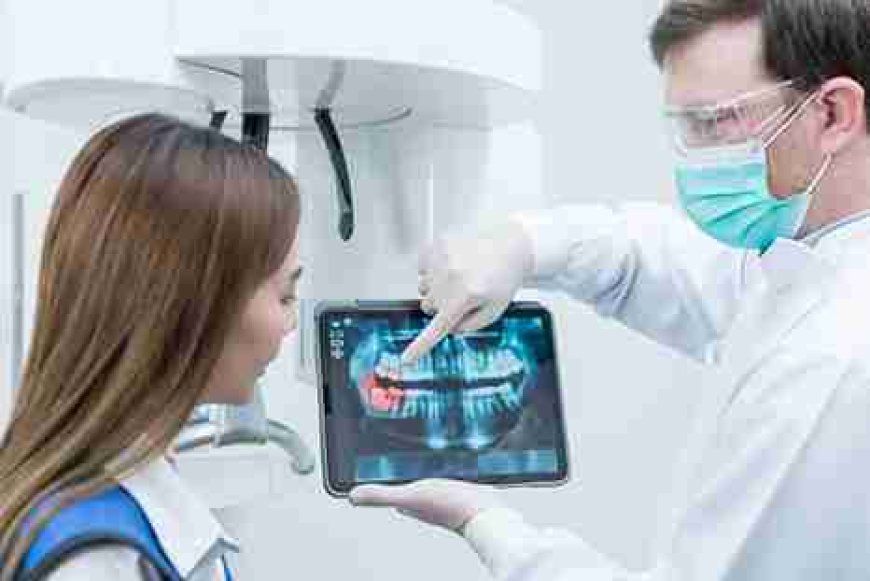
In recent years, Artificial Intelligence (AI) has emerged as one of the most revolutionary tools in modern dentistry. From diagnostic imaging to treatment planning and real-time surgical guidance, AI is reshaping how dentists diagnose, plan, and execute procedures. Among the fields benefitting the most from these innovations is impacted tooth extraction, a complex oral surgery requiring high precision and experience.AIs integration into dental surgery has transformed this once challenging and time-intensive process into a more efficient, data-driven, and predictable procedure. This article explores how AI innovations are redefining impacted tooth extractions, improving clinical accuracy, minimising complications, and enhancing patient comfort and recovery.
Understanding Impacted Tooth Extractions
An impacted tooth occurs when a tooth fails to erupt properly through the gum line, often due to misalignment, insufficient space in the jaw, or obstruction by adjacent teeth. This commonly affects wisdom teeth, though canines and premolars may also be impacted.
Common symptoms include:
- Persistent pain or pressure in the jaw
- Swelling and redness in the gums
- Difficulty opening the mouth
- Bad breath or infection from trapped food and bacteria
To address these problems, two main extraction methods are used:
- Simple Extraction performed when the tooth is visible and easily accessible.
- Surgical Extraction required when the tooth is partially or completely trapped beneath the gums or bone, necessitating incisions and, at times, bone removal.
While surgical extractions are effective, traditional methods rely heavily on 2D imaging and the clinicians judgement. This limitation has paved the way for AI-assisted innovations, especially insurgical tooth extraction Birmingham, where precision and patient safety are paramount.
Challenges in Traditional Extraction Techniques
Conventional surgical extractions, though successful, pose certain limitations:
- Limited Visibility:2D X-rays fail to reveal the complete structure of nerves, roots, and bone density.
- Experience Dependency:Accuracy depends on the clinicians manual skill and experience.
- Higher Risk Factors:Without real-time data, complications such as nerve injury or excessive bleeding are more likely.
- Inconsistent Recovery Outcomes:Healing time varies significantly due to subjective estimations.
The introduction of AI addresses these challenges through data-supported decision-making, enhanced imaging, and surgical precision that reduces variability and risk.
The Role of AI in Modern Dental Surgery
AI is not just a futuristic concept; it is now a core component of advanced dental care. By combining machine learning, predictive analytics, and 3D imaging, AI systems can analyse thousands of cases to assist dentists in achieving optimal results.
In oral surgery, AI contributes to:
- 3D Scan Interpretation detecting anatomical complexities and anomalies.
- Virtual Surgical Planning generating computer-guided treatment plans based on patient anatomy.
- Real-Time Guidance helping clinicians make accurate intraoperative decisions.
Practices offering Surgical Tooth Extraction Birmingham and Dental Implant Birmingham are adopting AI to improve precision, safety, and patient experience across all surgical stages from planning to recovery.

Key AI Innovations Transforming Impacted Tooth Extractions
1. AI-Enhanced Diagnostic Imaging
AI-powered Cone Beam Computed Tomography (CBCT) provides 3D, high-resolution images of the jaw, tooth roots, and surrounding bone structures. Advanced algorithms analyse these images to identify nerve pathways, bone density variations, and tooth orientation.
Benefits include:
- Early identification of high-risk areas
- Accurate mapping to avoid nerve damage
- Enhanced treatment planning with greater visual clarity
This level of diagnostic accuracy ensures that every incision or bone removal is calculated and minimally invasive.
2. AI-Driven Surgical Planning
AI allows dentists to simulate the entire extraction virtually before the actual surgery. By predicting optimal incision points and bone-removal zones, clinicians can plan more efficient, safer surgeries.
Advantages of AI-Driven Planning:
- Shorter surgery time:Clear pre-operative roadmaps reduce chair time.
- Less tissue trauma:Precise movements ensure minimal disruption.
- Consistent results:Each procedure follows a data-backed plan, improving reliability.
In Surgical Tooth Extraction Birmingham, such planning software helps achieve predictable outcomes while maintaining patient comfort throughout.
3. Real-Time AI Surgical Guidance and Robotics
AI integration doesnt stop at planning, it continues into the operating room. Robotic-assisted systems provide real-time feedback and precision control, ensuring each surgical step aligns with the digital plan.These systems help dentists perform complex extractions with confidence, combining human expertise with AI precision.
4. Predictive Healing and AI-Guided Aftercare
AIs role extends into post-operative care, offering predictive insights based on each patients health data, bone density, and age. AI tools estimate healing times, flag potential complications, and recommend customised aftercare routines.Clinics specialising indental implant Birminghamuse similar technology to monitor implant integration, track recovery progress, and prevent issues such as infection or bone loss.
AI-guided aftercare provides:
- Early alerts for infection or delayed healing
- Personalised medication schedules
- Faster and more predictable recovery outcomes
Traditional vs AI-Assisted Extractions

AI ensures that surgical decisions are guided by precise data rather than estimation, enhancing both patient safety and procedural confidence.
The HumanAI Collaboration in Dentistry
While AI offers unparalleled technological support, it cannot replace the human touch. The best surgical outcomes arise when technology complements professional skill.
- AI handles data analysing scans, simulating procedures, and guiding movements.
- Dentists apply expertise making intuitive, patient-focused decisions and managing care.
This collaboration ensures that patients receive care that is not only technologically advanced but also empathetic and personalised.

The Future of AI in Oral Surgery
The future of dental surgery promises even greater integration of AI systems. Emerging innovations may include:
- Autonomous robotic surgeries under dentist supervision.
- Augmented reality overlays to improve surgical precision.
- Remote AI monitoring apps for recovery tracking at home.
As AI continues to evolve, patients can expect safer surgeries, less discomfort, and faster healing times all supported by digital precision and human care.
Conclusion
Artificial Intelligence is redefining the standards of dental surgery, especially in complex procedures such as impacted tooth extractions. From AI-enhanced diagnostics and data-driven surgical planning to real-time guidance and predictive recovery, every stage of treatment has become smarter and more efficient.At Smilo Dental Implant Birmingham, advanced technology meets compassionate expertise to ensure every patient experiences precise, comfortable, and reliable results in their oral surgical care.