










What Is An AC High Voltage Tester, And Why Is It Essential For Electrical Safety
Electricity makes modern industry possible. Machines, lights, in fact, entire plants depend on it every single day. But when electricity is not controlled properly, it becomes hazardous very quickly.
High-voltage equipment carries a serious risk. A small fault can cause shock, fire, or major damage. The thing is that many accidents do not happen suddenly. They start with a small weakness that goes unnoticed.
One of the most common problems is insulation damage. Insulation protects people and equipment from live electrical parts. Over time, it wears down with heat, moisture, dust, vibration, and age. The challenge is that insulation damage is rarely visible from the outside.
Electrical testing is crucial because of this. However, a trustworthy instrument is required to conduct safe and accurate testing. An AC High Voltage Tester is crucial in this situation.
This blog will examine the definition, operation, applications, and significance of an AC High Voltage Tester for electrical safety.
What Is an AC High Voltage Tester?
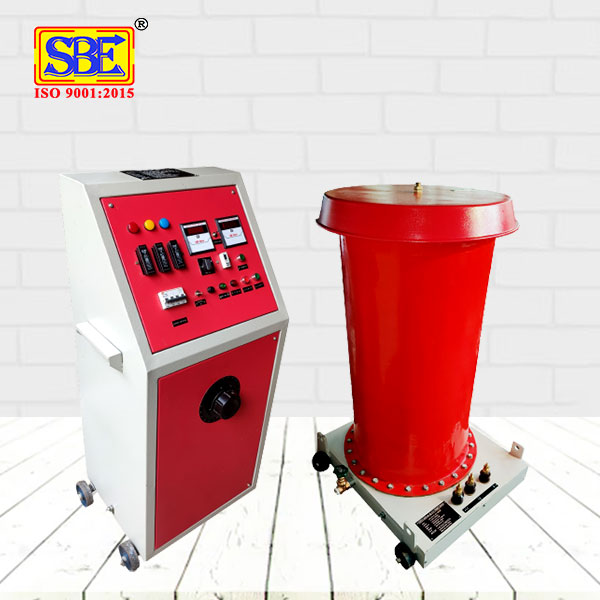
An AC High Voltage Tester is one instrument for evaluating the condition of insulation in electrical equipment. It does this by applying a high alternating voltage for a brief period of time.
In normal use, equipment runs at a fixed voltage level. During testing, a higher voltage is applied. This higher voltage puts stress on the insulation. If the insulation is weak, the problem shows up during the test instead of during real operation.
This type of testing helps prevent surprises. It allows problems to be found early.
AC High Voltage Testers are used on many types of equipment. These include transformers, cables, motors, generators, switchgear, and other high-voltage components. Testing may be done in a factory, at a site, or during routine maintenance.
How Does an AC High Voltage Tester Work?
The working process is not complicated. First, the tester is connected to the equipment. The voltage is applied between the live part and earth, or between conductors. The tester then slowly increases the voltage to the required test level.
This slow increase is important. It allows the insulation to respond naturally to the stress. During the test, the tester watches the current flow. Healthy insulation allows very little current to pass.
If the insulation is damaged, the tester will notice abnormal current or a breakdown. This means the equipment is not safe for use.
Most AC testers are built with safety as a top priority. These systems keep the voltage under control and automatically cut the power if they detect even the slightest problem. This is about more than just protecting the machinery; it is about making sure the person performing the test goes home safely at the end of the day.
Where AC High Voltage Testers Are Commonly Used
AC High Voltage Testers are used in many areas of the electrical industry.
Transformers are tested to confirm that their insulation can handle operating stress. Power cables are tested before installation and after repairs. This helps avoid failures once the system is live.
Switchgear and circuit breakers are tested before use to make sure they work safely. Motors and generators are checked to ensure their insulation is in good condition and to prevent sudden failures.
Substations use high-voltage testing as part of routine maintenance. Manufacturing companies test equipment before delivery to ensure safety and quality.
These uses show how important testing is at every stage of an electrical systems life.
Role of Standards in High Voltage Testing
Electrical safety is not based on guesswork. Standards are there to show how testing should be done. They clearly explain how much voltage to use, how long the test should run, and what results are considered safe.
Using an AC High Voltage Tester helps companies carry out tests correctly and with confidence. Proper testing also makes inspections, audits, and approvals much smoother.
These standards further lower legal and insurance risks and show that safety is taken seriously. More importantly, it shows that safety has been taken seriously.
Choosing the Right AC High Voltage Tester
Choosing the right tester is not only about reading technical details on a data sheet. It is about using a tool that makes daily work safer and easier. Since every testing job is different, the tester should match the type of equipment being checked.
The first thing to consider is the voltage range. The tester should provide the exact voltage needed for the equipment. It should not be too high or too low, as both can affect safety and test accuracy.
Safety features are also very important. Features like emergency stop buttons and automatic discharge systems help protect the person using the tester. These features reduce the risk of accidents during testing.
The tester should also give stable and reliable results. Readings should stay steady throughout the test. If the results change too much, it becomes hard to trust whether the insulation is actually safe.
Lastly, the controls should be simple and easy to understand. The display should be clear, and the buttons should be easy to use. When working with high voltage, the tester should be understandable at a glance.
Using a well-designed tester helps reduce mistakes. When the equipment is easy to operate, the user can focus on safety and complete the work with confidence.
Concluding Thoughts
An AC High Voltage Tester plays an important role in electrical safety. It helps find insulation problems early and prevents dangerous failures. Regular testing protects people, equipment, and operations.
S.B.ELECTROTECH manufactures electrical testing equipment that many industries rely on. Their AC High Voltage Testers are designed for everyday industrial work. They focus on safety, are built to last, and provide consistent and reliable results. These testers are commonly used in power systems, factories, and professional electrical testing tasks.
FAQs
What does an AC High Voltage Tester do?
It applies high AC voltage to electrical equipment to check whether the insulation is safe and strong.
Why is AC high voltage testing needed?
It helps spot insulation problems early so accidents, failures, and damage can be prevented.
What equipment is tested using an AC High Voltage Tester?
Transformers, cables, motors, generators, switchgear, and substation equipment.
Is AC high voltage testing dangerous?
When done correctly with proper equipment and procedures, it is safe.
How often should AC high voltage testing be done?
Testing is usually done during installation and periodic maintenance based on standards.