










Palletised Distribution: A Smart and Efficient Logistics Solution
Palletised distribution refers to the transportation of goods that are securely placed on pallets, allowing them to be moved as a single unit throughout the supply chain.
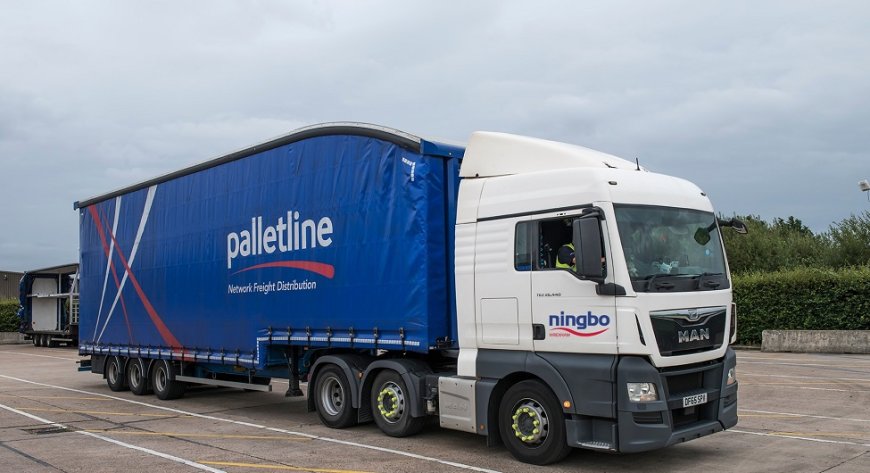
In todays competitive logistics environment, businesses need reliable, cost-effective, and scalable transport solutions to keep goods moving smoothly through the supply chain. From manufacturers and wholesalers to retailers and e-commerce brands, efficient freight handling plays a critical role in customer satisfaction and operational success. Palletised distribution has emerged as one of the most trusted logistics methods, offering consistency, protection, and nationwide reach for businesses of all sizes.
By standardising how goods are packed, handled, and transported, palletised distribution reduces complexity while improving efficiency across the entire delivery process.
What Is Palletised Distribution
Palletised distribution refers to the transportation of goods that are securely placed on pallets, allowing them to be moved as a single unit throughout the supply chain. Instead of handling individual cartons or loose items, products are stacked, wrapped, or strapped onto pallets, making them easier to lift, load, store, and deliver.
This method is widely used in modern logistics because pallets are compatible with forklifts, pallet trucks, and automated warehouse systems. As a result, goods move faster through depots and warehouses while maintaining consistent handling standards.
How Palletised Distribution Works
The palletised distribution process typically follows a structured network model. Goods are collected from the sender and transported to a local depot, where pallets are scanned and consolidated. From there, they move through regional or national hubs before reaching the destination depot for final delivery.
This hub-and-spoke system allows logistics providers to optimise routes, share vehicle space, and maintain reliable delivery schedules. Each pallet is tracked throughout its journey, offering transparency and accountability at every stage of transport.
Key Advantages of Palletised Distribution
One of the most significant advantages of palletised distribution is operational efficiency. Standard pallet sizes make it easier to plan loads and maximise vehicle capacity, reducing wasted space and unnecessary trips. Faster loading and unloading also improve turnaround times and overall productivity.
Cost control is another major benefit. Shared transport networks allow businesses to move goods without paying for full vehicle loads, making palletised transport a cost-effective option for both small and large shipments. Predictable pricing and reduced damage costs further enhance its value.
Improved Safety and Reduced Risk of Damage
Protecting goods during transit is a top priority for any business. Palletised distribution significantly reduces the risk of damage by keeping products stable and secure throughout the journey. Pallets minimise shifting during transport and reduce the need for excessive manual handling.
This is particularly important for fragile, high-value, or time-sensitive goods, where even minor damage can lead to financial loss or customer dissatisfaction. Fewer handling points also lower the risk of lost or misplaced items.
Nationwide and Regional Coverage
One of the strongest features of palletised distribution is its extensive reach. Through established pallet networks, logistics providers can deliver goods to nearly any location, whether urban or rural. Businesses benefit from consistent service standards without needing to manage multiple carriers.
This wide coverage makes palletised distribution ideal for companies operating across regions or expanding into new markets, ensuring reliable deliveries regardless of destination.
Scalability for Businesses of All Sizes
Palletised distribution is highly scalable, making it suitable for startups, growing businesses, and large enterprises alike. Companies can ship a single pallet or scale up to multiple pallets as demand increases, without changing their logistics strategy.
Seasonal fluctuations, promotional campaigns, and sudden increases in order volume can be managed efficiently, allowing businesses to remain flexible and responsive to market changes.
Technology and Real-Time Visibility
Modern palletised distribution relies heavily on advanced logistics technology. Barcode scanning, transport management systems, and real-time tracking provide full visibility of shipments from collection to delivery.
This level of transparency helps businesses manage inventory, plan production schedules, and communicate accurate delivery updates to customers. Data insights also support continuous improvement by identifying delays, inefficiencies, and optimisation opportunities.
Sustainability and Environmental Benefits
Sustainability has become an important consideration in logistics planning. Palletised distribution supports environmentally responsible practices by improving load efficiency and reducing the number of vehicles required on the road.
Reusable pallets, optimised routing, and consolidated shipments contribute to lower fuel consumption and reduced carbon emissions. These benefits help businesses meet sustainability goals while maintaining efficient operations.
Industries That Depend on Palletised Distribution
Many industries rely on palletised distribution to maintain consistent and reliable supply chains. Manufacturing, retail, construction, food and beverage, pharmaceuticals, and e-commerce sectors all use palletised transport to move goods safely and efficiently.
For these industries, the combination of speed, protection, and nationwide reach makes palletised distribution an essential logistics solution.
Choosing the Right Palletised Distribution Provider
Selecting the right logistics partner is crucial for successful palletised distribution. A reliable provider offers strong network coverage, transparent tracking systems, flexible service options, and responsive customer support.
Experience, reputation, and operational reliability should all be considered when choosing a provider, as these factors directly impact delivery performance and customer satisfaction.
Conclusion
Palletised distribution has become a cornerstone of modern logistics, offering businesses a reliable, efficient, and scalable way to transport goods. By reducing handling risks, controlling costs, and improving visibility, it supports smooth supply-chain operations across industries.
As logistics demands continue to evolve, palletised distribution remains a smart and dependable solution for businesses seeking consistency, efficiency, and long-term growth.