










How to Improve Packaging Efficiency with a Pulp Molding Machine
Smart mold design also improves nesting and stacking efficiency, which is crucial for storage and transportation.
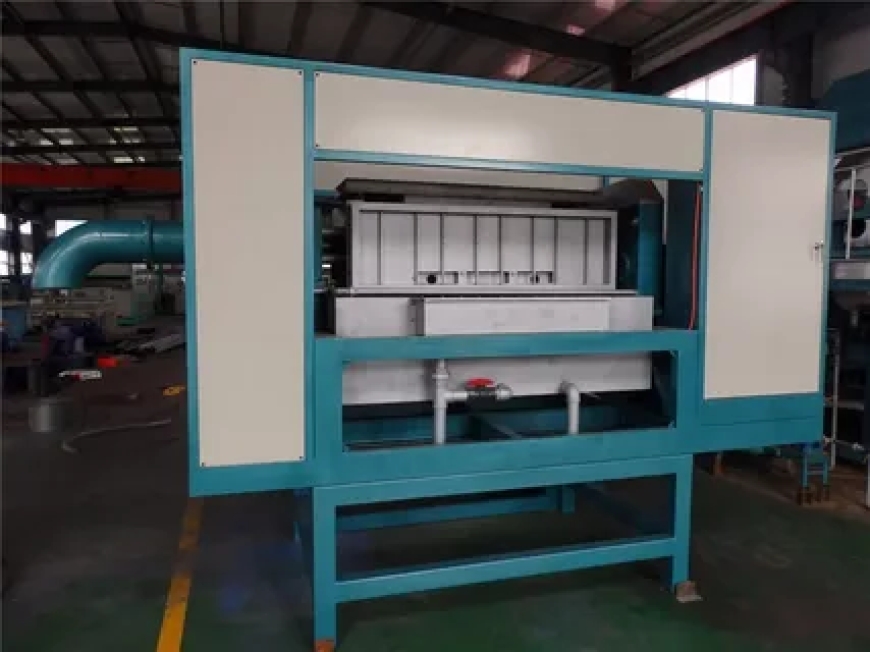
In todays competitive manufacturing landscape, packaging efficiency is a critical factor that directly affects costs, sustainability, and customer satisfaction. Companies are constantly seeking smarter ways to reduce waste, speed up production, and deliver reliable protective packaging. One solution that has gained significant attention across industries is the pulp molding machine, which combines efficiency with environmental responsibility.
A pulp molding machine transforms recycled paper into durable, custom-shaped packaging products such as trays, cartons, and protective inserts. Beyond its eco-friendly appeal, this technology offers multiple ways to streamline packaging operations. Below, we explore how businesses can improve packaging efficiency by effectively using a pulp molding machine.
Understanding the Role of a Pulp Molding Machine in Packaging Efficiency
A pulp molding machine plays a central role in modern packaging by automating the process of converting waste paper into usable packaging products. Unlike traditional packaging methods that rely on plastic or foam, pulp molding creates lightweight yet strong packaging that can be produced in high volumes. This automation reduces manual labor, minimizes errors, and ensures consistent product quality, all of which contribute to higher operational efficiency.
From an efficiency standpoint, the pulp molding machine allows manufacturers to integrate packaging production directly into their supply chain. Instead of outsourcing packaging materials, businesses can produce them in-house, reducing lead times and transportation costs. This streamlined workflow helps companies respond faster to demand changes while maintaining control over quality and output.
Optimizing Machine Settings for Faster Production
One of the most effective ways to improve packaging efficiency is by optimizing the settings of your pulp molding machine. Parameters such as pulp concentration, molding time, drying temperature, and pressure all influence production speed and product quality. Fine-tuning these variables ensures that each cycle produces strong, uniform packaging without unnecessary delays or material waste.
Regular testing and calibration are essential to maintaining optimal performance. By monitoring output and adjusting settings based on product requirements, manufacturers can significantly increase throughput. A well-optimized pulp molding machine not only produces more units per hour but also reduces rejections and downtime, leading to smoother and more efficient packaging operations.
Reducing Material Waste Through Smart Design and Mold Selection
Packaging efficiency is not just about speed; it also involves minimizing material waste. A pulp molding machine excels in this area because it uses recycled paper and allows precise control over material usage. By designing molds that use the minimum required pulp while still providing adequate protection, manufacturers can reduce raw material consumption without compromising performance.
Smart mold design also improves nesting and stacking efficiency, which is crucial for storage and transportation. Well-designed pulp molded products take up less space and are easier to handle, reducing logistical costs. When paired with an efficient pulp molding machine, optimized mold selection ensures that every gram of material contributes to functional, cost-effective packaging.
Improving Energy Efficiency and Reducing Operational Costs
Energy consumption is a major concern in packaging production, especially during the drying stage. Modern pulp molding machines are designed with energy efficiency in mind, using advanced drying systems that reduce power usage while maintaining high output levels. Upgrading to energy-efficient equipment can significantly lower operational costs over time.
In addition to energy savings, efficient pulp molding machines require less maintenance and have longer service lives. Automated controls and monitoring systems help identify issues before they cause breakdowns, reducing downtime and repair expenses. By investing in an efficient pulp molding machine, businesses can improve packaging efficiency while also achieving long-term cost savings.
Enhancing Scalability and Flexibility in Packaging Operations
As businesses grow, their packaging needs often change. A pulp molding machine offers excellent scalability, allowing manufacturers to increase production capacity by adding molds or upgrading machine configurations. This flexibility ensures that packaging operations can adapt to seasonal demand spikes or new product launches without major disruptions.
Moreover, pulp molding technology supports a wide range of packaging designs, from simple trays to complex protective inserts. This versatility enables companies to serve multiple markets using a single pulp molding machine. By aligning machine capabilities with business growth strategies, manufacturers can maintain high packaging efficiency while expanding their product offerings.
Conclusion
Improving packaging efficiency is a multifaceted challenge that involves speed, cost control, sustainability, and adaptability. A pulp molding machine addresses all these aspects by offering automated production, reduced material waste, energy efficiency, and flexible design options. When properly optimized and integrated into the production process, it becomes a powerful tool for enhancing overall packaging performance.
For businesses looking to stay competitive in an eco-conscious market, investing in a pulp molding machine is not just a sustainable choiceit is a strategic move toward greater efficiency and long-term success. By understanding its capabilities and applying best practices, manufacturers can transform their packaging operations and achieve measurable improvements in productivity and profitability.