










5 Budget-Friendly Property Maintenance Hacks for Busy Property Owners

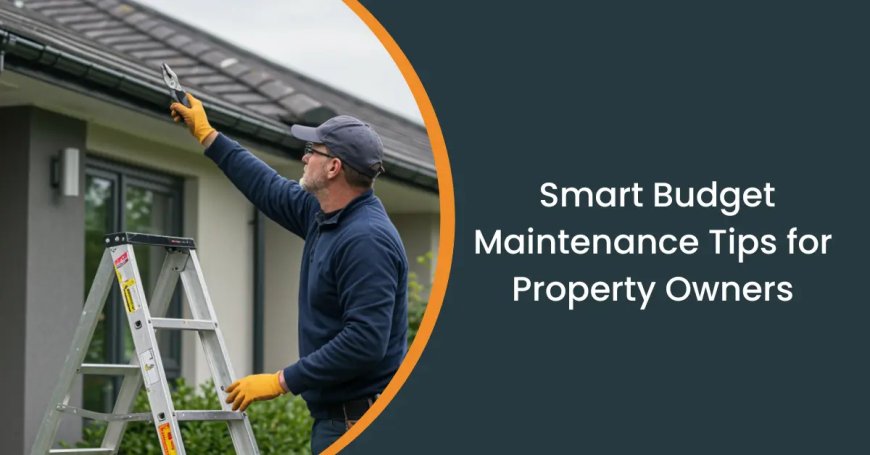
Maintaining rental homes, vacation properties, or residential units is a continuous task. Small problems can grow into costly repairs if ignored. A minor leak behind a wall, unreported guest damage, or a silent smoke detector failure can lead to bigger issues. Many property owners face rising repair costs and unexpected breakdowns. The real goal is to prevent problems early, not just fix them.
A well-cared property keeps tenants happy, protects your investment, and saves money on emergency repairs. According to home-maintenance guides, a good budgeting rule is to set aside1%-4% of a homes value per yearfor maintenance, depending on the propertys age and condition.
This guide shares five simple maintenance hacks that help reduce costs and save time. These tips are easy to follow and suitable for any property owner. You will learn how preventive care works, how small DIY fixes help, how to buy materials smartly, and how technology can cut long-term expenses.
You will also see how local community support and shared knowledge can be useful. With these strategies, you can keep your property in great shape without overspending. Let us start with the first hack.
Hack 1: Prioritize Preventive Maintenance
Preventive maintenancemeans fixing issues early instead of waiting for breakdowns. Regular checks reduce emergency repairs and save money. A few minutes each week prevents costly damage later.
Simple tasks like checking for leaks, cleaning gutters, testing alarms, and inspecting doors or windows can stop bigger problems. For example, a clogged gutter can cause water damage, but a quick cleaning avoids expensive repairs.
Create a maintenance schedule so nothing is missed. Divide tasks into weekly, monthly, and seasonal checks for easy tracking. Encourage residents to report issues early for fast and low-cost fixes.
Quick Checklist
Weekly
Look for leaks
Test lights
Clear outdoor debris
Monthly
Inspect gutters
Test smoke and CO alarms
Clean HVAC filters
Seasonal
Summer: service AC
Winter: protect pipes
Spring: check roof
Fall: seal gaps
A simple checklist keeps maintenance organized and your property in good condition.
Hack 2: Use DIY Solutions for Small Fixes
Calling a technician for every little issue can be expensive. Learning simple repairs helps you fix many problems yourself. You do not need advanced skills. A practical toolkit and basic knowledge are enough.
Common DIY fixes include:
Fixing a loose doorknob
Unclogging a sink drain
Tightening screws and cabinet hinges
Sealing small window or wall gaps
Replacing faucet washers
Repainting small scuff marks
Installing new curtain rods
Patching minor wall dents
Online tutorials and homeowner workshops are great learning tools. A quick video can help you solve a problem without waiting for a professional. You can save even more if you keep a small repair kit in the house.
Useful tools for DIY maintenance
Screwdrivers (flat and star-shaped)
Plier and adjustable wrench
Hammer and measuring tape
Caulk and sealant tubes
Sandpaper, putty, paint brush, and touch-up paint
Basic plumbing tape
Spare bulbs and batteries
Multi-purpose adhesive
Doing things yourself builds confidencegaining these skillsreduces recurring service costs and helps fix issues faster without waiting.
Encourage guest or tenant participation
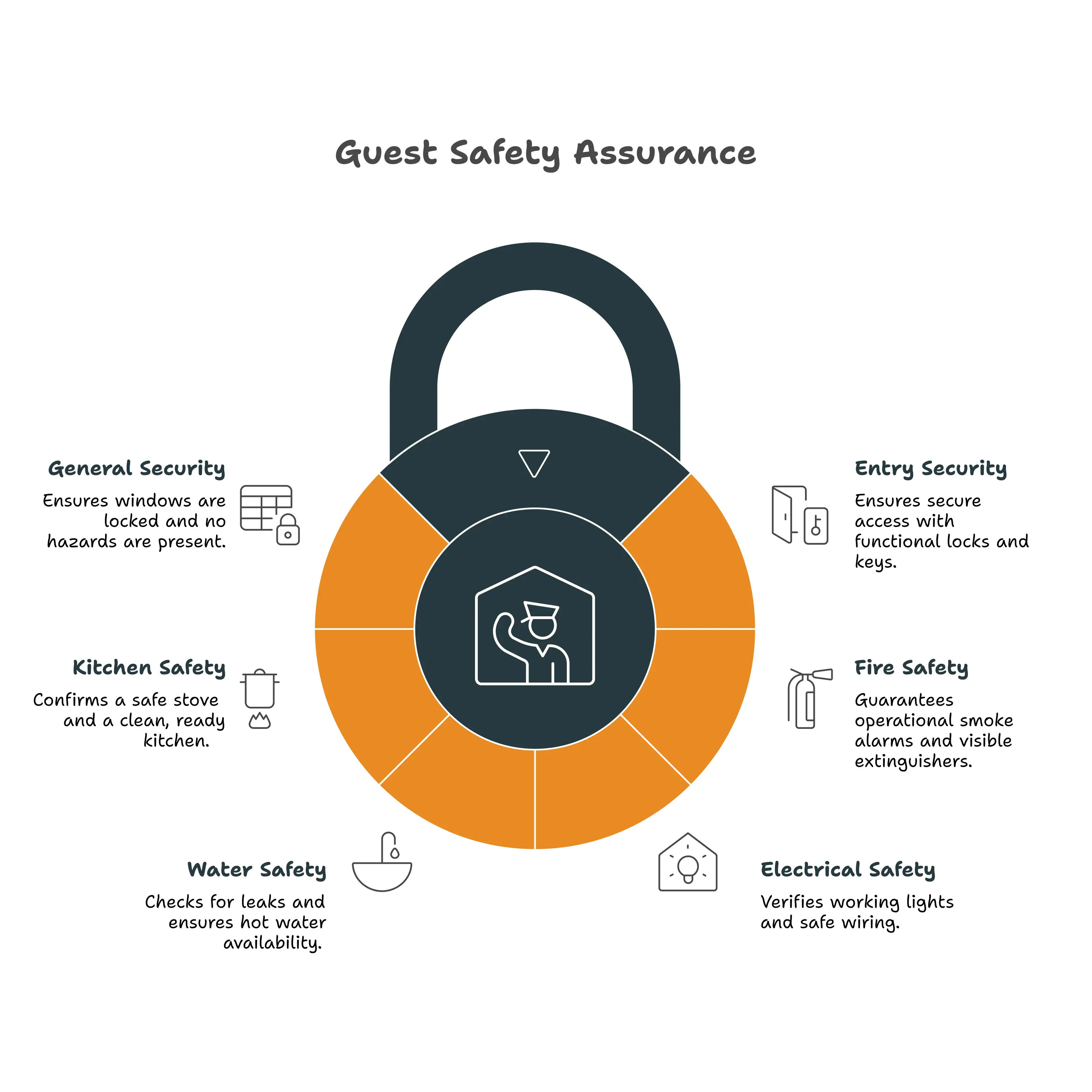
If you rent the property, guide residents on simple care rules. Small habits reduce wear and damage. You can add an upkeep instruction card inside the welcome kit or rental agreement.
Example instructions:
Keep drains free from hair and solid waste
Turn off taps fully after use
Do not flush wipes or hygiene products
Use cutting boards instead of chopping on counters
Report leaks immediately
Follow garbage disposal guidelines
Clear rules protect your property and reduce repair frequency. You can also provide a simple reporting method. Tenants or guests should know where to call or message when an issue arises. A fast report prevents further damage.
Hack 3: Shop Smart for Affordable Supplies
Supplies are necessary for steady maintenance. The trick is to buy smart. Sometimes a low price means quick damage, which leads to repeated buying. Sometimes, higher quality reduces cost over time. You need balance.
Buying in bulk is one of the best savings techniques. Items like light bulbs, batteries, plumbing washers, air filters, or cleaning liquids come cheaper in quantity. You can store them in a labeled cabinet for easy use.
Smart buying tips
Compare prices online before purchasing
Use seasonal sales for tools and paint
Join loyalty programs at hardware stores
Choose good quality for long-lasting items
Buy in bulk for things used often
Read product reviews before selecting
For example, paint that lasts longer may cost a bit more up front but prevents frequent repainting. A quality air filter improves HVAC efficiency and reduces power bills. Good decisions now save more later.
Seasonal sales are a big opportunity. Lawn tools cost less after summer. Snow shovels and salt are cheaper once winter ends. Buy the opposite of the season for the best price benefit.
Also, check local marketplaces for second-hand tools or leftover material. Many owners sell extra supplies at a lower cost.
Hack 4: Use Technology and Automation Tools
Technology saves time, improves organization, and prevents costly mistakes. Property management software helps you stay on top of tasks. Instead of handwritten notes and scattered reminders, you can store all information digitally.
Software tools can help you:
Track maintenance work orders
Schedule repairs and inspection dates
Store rental agreements and documents
Receive tenant requests in one place
Process payments and rent collection
Record property history
Technology and Automationreduces manual work and increases accuracy. If you manage multiple units, this is even more helpful. Smart home devices also reduce expenses.
You can install:
Leak detectors to stop water damage early
Smart thermostats toreduce energy costsand lower power consumption
Smart locks to avoid key replacement
Automated lights to reduce power usage
Leak sensors are especially helpful. A small alert can stop a flood. Energy-saving devices reduce monthly utility costs and improve sustainability. Guests appreciate modern features, which improve property rating and appeal.
If you manage vacation homes on platforms like Airbnb or Booking, use a channel manager or hotel inventory manager. It syncs availability across platforms and avoids double booking. If one property needs emergency repair, you can move a booking to another available unit easily.
.webp)
Hack 5: Leverage Community and Vendor Connections
Your network is a resource. Many property owners solve problems better together. Sharing recommendations and learning from each other reduces mistakes. You can even share vendors to lower costs.
Ways to use community support:
Join local property management groups
Network with nearby property owners
Ask for referrals for trusted plumbers, electricians, and roofers
Share vendor contact lists
Split vendor cost for shared work
Exchange skills with neighbors
For instance, if you are skilled in electrical repairs and your neighbor knows plumbing, you both save money by helping each other. Bartering skills are a great way to reduce expenses without spending cash.
Local suppliers may offer discounts if you buy regularly. Long relationships with vendors build trust and better pricing. Supporting local businesses also creates convenient access when urgent repairs arise.
Build a Maintenance Workflow System
Aworkflow systemkeeps operations smooth. Maintenance becomes less chaotic and more organized. You know what task to do, when to do it, and who will handle it.
A simple workflow contains:
-
Task identification
-
Task assignment
-
Scheduling
-
Execution
-
Follow up and documentation.
For example, during inspection, you find a small leak. Instead of noting it mentally, you record it in your system as a job. The job is assigned to a technician. After repair, the task is marked complete, and details are stored. If the same issue happens later, you can review past work easily.
Documentation also prevents repeated mistakes. You learn which areas require more inspection. Over time, your workflow becomes smarter and more cost-efficient.
Cost-Saving Tips for Seasonal Property Care
Seasonal changes can cause major wear and tear. Preparing ahead prevents sudden breakdowns. You only need basic planning, a checklist, and timely action.
Spring Care
Spring is perfect for refreshing property exteriors.
Wash windows and screens
Check for winter roof damage
Clean gutters after snow and storms
Pressure wash driveways and decks
Inspect garden irrigation
Spring maintenance prevents damp areas, mold growth, and improves the property's appearance.
Summer Care
Summer increases power usage and outdoor activity. Small checks help avoid heat-related issues.
Service air conditioning systems
Trim plants near walls and pathways
Repaint faded outdoor areas
Check pool filters and water quality
Look for cracks caused by heat exposure
Good summer care improves comfort and also reduces repair frequency.
Fall Care
Fall is preparation time for colder months. A few simple steps protect pipes and walls.
Clean gutters filled with leaves
Seal windows and doors to stop heat loss
Store outdoor furniture
Schedule furnace and heating checks
Inspect roof tiles and fix loose shingles
Proper fall care protects your property during winter.
Winter Care
Winter can cause leaks, frozen pipes, and roof stress. Prevent damage with routine checks.
Insulate exposed pipes
Remove snow buildup from roof edges
Keep the heating running at a safe temperature
Inspect attics for moisture or frost
Use weather seals to prevent wind drafts
Seasonal care reduces emergencies and gives peace of mind year-round.
Create a Maintenance Budget You Can Stick To
Money management is part of maintenance success. A simple budget helps avoid surprise expenses.
Break your maintenance budget into three parts:
-
Daily and monthly cleaning expenses
-
Minor repair and replacement costs
-
Emergency repair savings
Plan to save a small amount each month for sudden repairs. This prevents financial pressure when something breaks unexpectedly.
Example Monthly Budget Plan
| Category | Ideal Budget Allocation |
|---|---|
| Routine cleaning & supplies | 30% |
| Preventive repair tasks | 40% |
| Emergency maintenance fund | 30% |
Adjust as needed. Even small monthly savings add up.
Bonus tip: Some owners of short-term rentals alsouse tax strategies like cost segregationto improve cash flow and reinvest more into property maintenance.
How Field Promax Helps Property Owners Save Time and Money
Managing everything manually becomes stressful as the property count grows. Field Promax solves this through automation and smart scheduling.
Field Promax allows you to:
Schedule repairs with one click
Create and assignwork orders
Track technicianlocation and status
Maintain property history and job records
Store images, reports, and before-and-after proof
Automate reminders for inspections and tasks
.webp?updatedAt=1753221558454)
Instead of remembering everything yourself, Field Promax keeps you organized. You can monitor tasks from one dashboard. This helps avoid repeated issues and improves workflow efficiency.
If you manage multiple homes or vacation rentals, Field Promax is even more useful. You get a smooth, centralized system without paperwork overload.
Wrap Up
Property maintenance becomes easier with simple habits and planning. These five hacks help prevent costly damage and keep your property in good condition.
In Short
Prevent issues early with routine checks
Handle minor repairs yourself
Buy supplies smartly and in bulk
Usetechnologyto track tasks
Learn and share tips through community support
Seasonal care and a small maintenance budget protect your property and improve tenant satisfaction.
Software like Field Promax simplifies everything. You can schedule tasks, assign technicians, and track repairs in one place.
Save time, save money, stay organized. Try Field Promax for smooth maintenance.
Originally Published at - Field Promax (Property Maintenance Hacks)