










4 Essential Factors to Evaluate Before Choosing a Cardiac Surgeon for Robotic Surgery

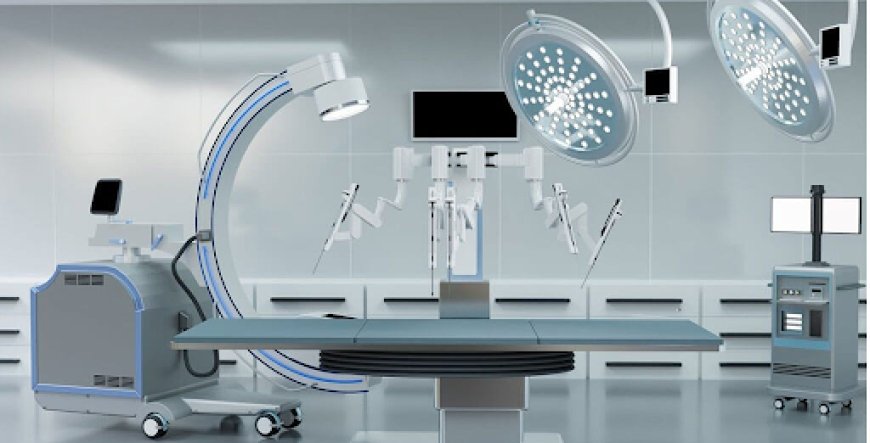
Choosing the right cardiac surgeon for robotic surgery is one of the most critical decisions a patient can make when facing complex heart procedures. Robotic surgery in cardiac surgery has emerged as a revolutionary approach, combining precision, minimal invasiveness, and quicker recovery compared to traditional methods. Patients benefit from smaller incisions, reduced pain, a lower risk of infection, and shorter hospital stays.
However, the success of these advanced procedures heavily depends on selecting a skilled and experienced cardiac surgeon. Factors such as professional credentials, surgical experience, technological proficiency, communication skills, patient outcomes, and post-operative care play pivotal roles in achieving safe and effective results.
Below are the top factors to consider while selecting a cardiac surgeon:
1. Professional Credentials and Surgical Experience
The foundation of a successful robotic cardiac procedure lies in the surgeons qualifications and clinical experience. Robotic surgery requires a high level of expertise beyond conventional cardiac surgery, and the credentials of your cardiac surgeon reflect their training, skill, and credibility.
-
Board Certification: Ensure the surgeon is certified in cardiothoracic or cardiac surgery by recognized national or international boards. Certification demonstrates that the surgeon has met rigorous educational and clinical standards.
-
Specialized Robotic Training: Robotic heart procedures demand precise technical skills. Surgeons trained in minimally invasive robotic techniques can navigate delicate cardiac structures more safely and effectively.
-
Volume of Surgeries: Surgeons who perform a high number of robotic procedures typically achieve better outcomes, demonstrating proficiency in handling potential complications.
-
Professional Recognition: Awards, publications in medical journals, or leadership roles in professional associations demonstrate a surgeons commitment to excellence and ongoing learning.
By prioritizing credentials and experience, patients significantly reduce the risks associated with complex robotic interventions while optimizing surgical outcomes.
2. Surgical Outcomes and Patient Feedback
Evaluating a surgeons past outcomes and patient experiences is essential to gauge quality and reliability. Objective data, combined with firsthand patient feedback, paints a comprehensive picture of the surgeons capability.
-
Success Rates: Focus on measurable metrics such as complication rates, post-operative recovery times, and long-term cardiac function following robotic procedures.
-
Complication Management: A proficient surgeon demonstrates the ability to respond effectively to unforeseen challenges during surgery, minimizing risks to the patient.
-
Patient Testimonials: Reviews and personal stories provide insight into a healthcare provider's bedside manner, communication style, and overall patient care.
-
Peer Recommendations: Referrals from other healthcare professionals indicate professional trust and confidence in the surgeons skills.
Thorough research into these aspects allows patients to make informed choices and sets realistic expectations for both the procedure and recovery.
3. Technological Expertise and Facility Infrastructure
Robotic hearts are operated using state-of-the-art technology, requiring surgeons to understand every nuance of the robotic interface, instrument calibration, and intraoperative navigation. A highly skilled surgeon can adjust quickly to variations, ensuring accurate and safe operations.
Facilities must support these procedures with:
-
Advanced Robotic Systems: Cutting-edge surgical platforms capable of precise movements and real-time feedback.
-
Modern Imaging Equipment: High-resolution imaging aids in the detailed visualization of cardiac structures during surgery.
-
Dedicated Robotic Operating Rooms: Sterile, spacious, and ergonomically designed to accommodate robotic systems.
-
Post-Operative Care Units: Immediate access to intensive care and cardiac rehabilitation ensures smoother recovery.
Choosing a cardiac surgeon aligned with top-tier technology and facilities maximizes the advantages of robotic procedures, ensuring safer, faster, and more predictable outcomes.
4. Communication, Patient Support, and Care Philosophy
Effective communication and a patient-centered approach are vital in robotic cardiac surgery. Patients must feel informed, supported, and confident throughout their surgical journey.
-
Clear Preoperative Guidance: Surgeons should clearly and comprehensively explain the procedure, risks, alternatives, and expected recovery to patients.
-
Shared Decision-Making: Involving patients and families in treatment decisions ensures comfort and aligns expectations with clinical possibilities.
-
Post-Surgical Support: Providing detailed instructions for rehabilitation, medication adherence, and lifestyle adjustments is crucial to achieving long-term success.
-
Empathy and Approachability: A compassionate surgeon reassures patients, helping reduce stress and anxiety associated with major procedures.
Open communication fosters trust, improves adherence to post-operative plans, and enhances overall patient satisfaction, which is crucial for the success of robotic cardiac interventions.
Choosing the Right Cardiac Surgeon Doctor for Robotic Surgery
When selecting a cardiac surgeon doctor for robotic heart procedures, several key considerations combine to ensure the best possible outcomes:
-
Experience with Robotic Hearts: Look for surgeons who have extensive hands-on experience performing robotic cardiac procedures. This ensures precision, reduced complications, and smoother outcomes. Their expertise contributes to patient confidence and overall surgical success.
-
Track Record in Complex Procedures: Assess their history with minimally invasive cardiac surgeries, including valve replacements and bypass operations. Consistent positive outcomes indicate technical skill and reliability. Proven experience in complex cases reduces procedural risks.
-
Patient-Centered Care: Select surgeons who prioritize attentive and empathetic care throughout the treatment journey. Clear communication, thorough explanations, and robust post-operative support enhance recovery. Patient-focused care ensures a comfortable and informed experience.
-
Technology Integration: Verify that the surgeon is proficient with advanced robotic systems and works in a facility equipped with cutting-edge technology. Proper integration of technology improves precision and safety. Staying updated with innovations ensures optimal outcomes.
-
Comprehensive Planning: A detailed preoperative assessment and strategic surgical planning are essential for patient safety. Evaluating risks and creating contingency plans enhances operational efficiency. Meticulous preparation minimizes complications and supports smooth post-operative recovery.
Considering these factors ensures patients receive holistic care, making robotic cardiac surgery a safe, effective, and confidence-inspiring choice.
Final Thoughts:
Robotic surgery in cardiac surgery represents a significant advancement in patient care, offering minimally invasive procedures, precision, and faster recovery. However, the success of these interventions depends on selecting a skilled cardiac surgeon with proven expertise, experience, and technological proficiency. Evaluating credentials, outcomes, patient feedback, communication skills, and facility standards helps patients make informed decisions and ensures optimal surgical results.
For individuals seeking advanced cardiac care, consulting Dr. Udgeath Dhir provides access to a trusted, highly experienced cardiac specialist who combines innovation, skill, and patient-focused care for successful robotic heart procedures. Take the next step toward optimal heart health today to experience expert guidance, personalized care, and advanced robotic cardiac solutions tailored to your needs.